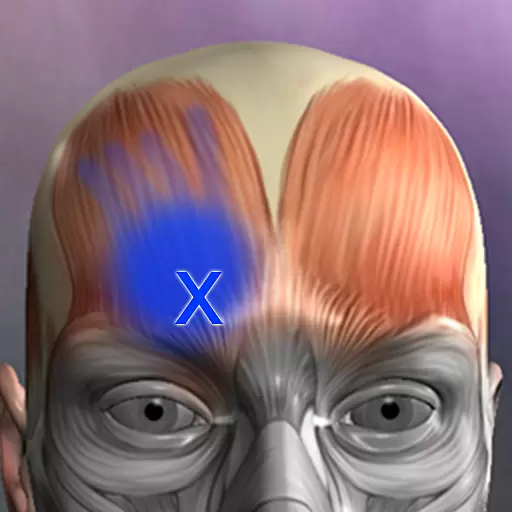
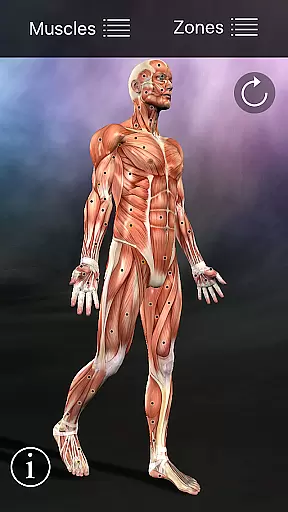
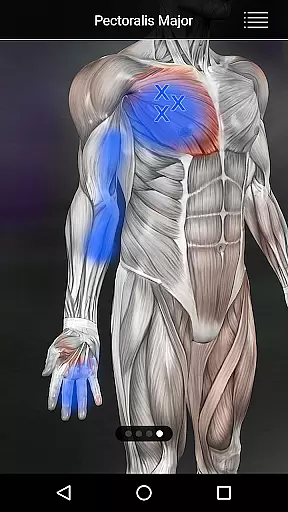
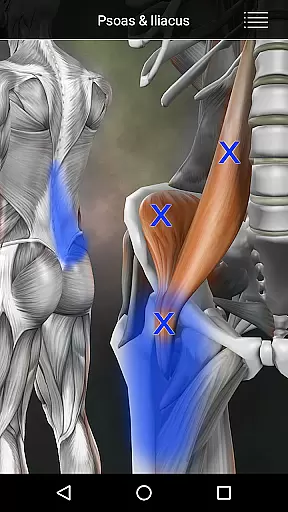
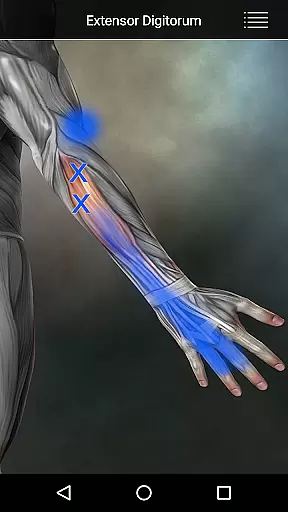

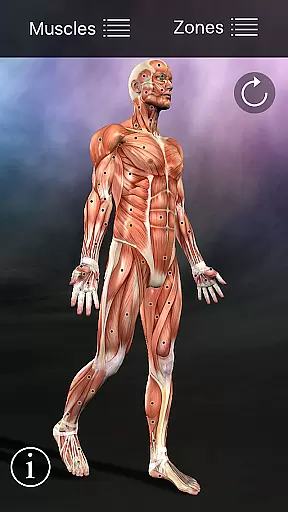
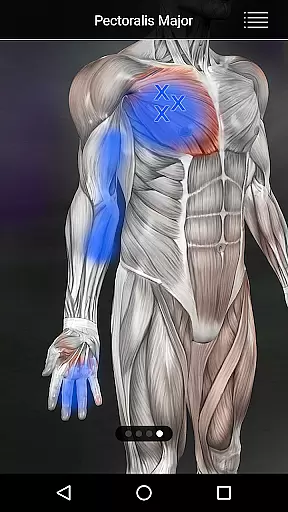
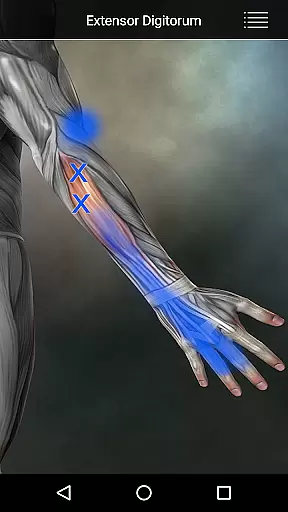
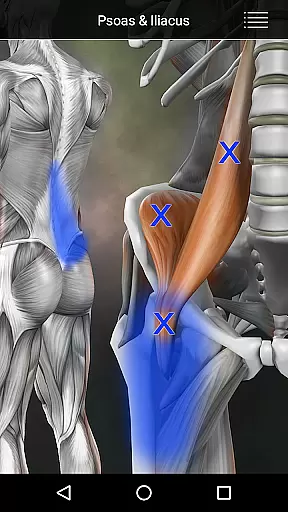

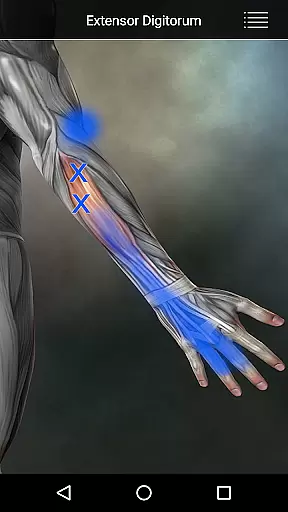
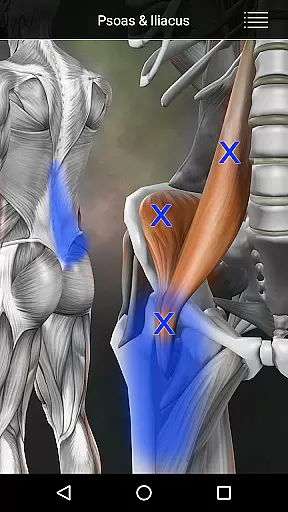
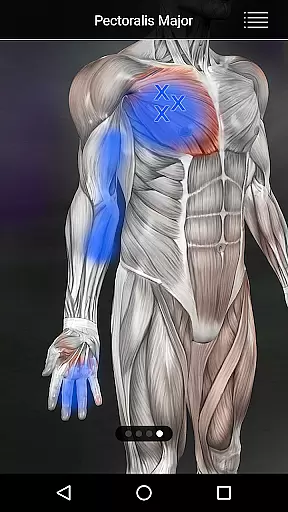
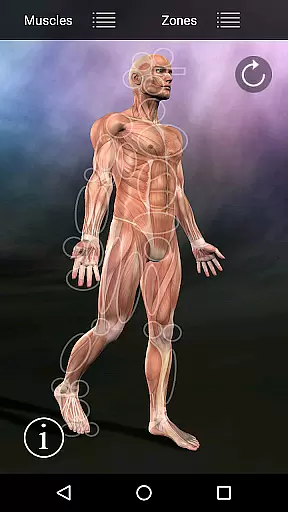
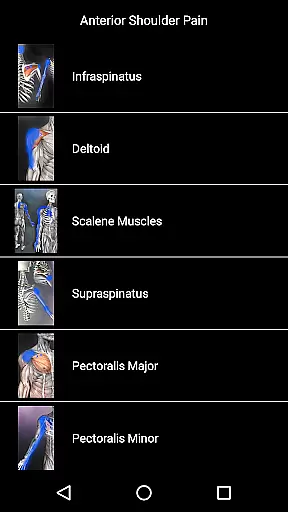

Muscle Trigger Point Anatomy is a comprehensive medical reference app designed for healthcare professionals and individuals interested in muscular pain management. The app provides detailed information on 160 trigger points across 108 muscles, including their referral patterns and related conditions.
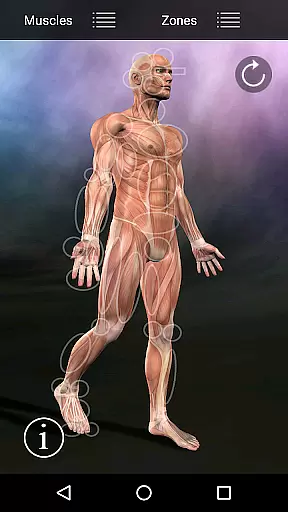
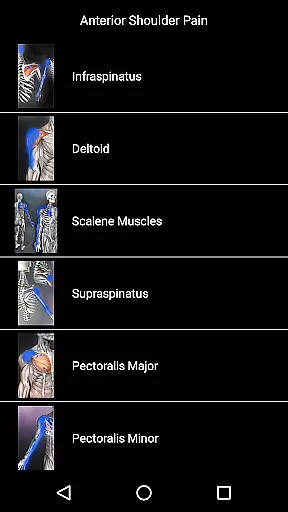
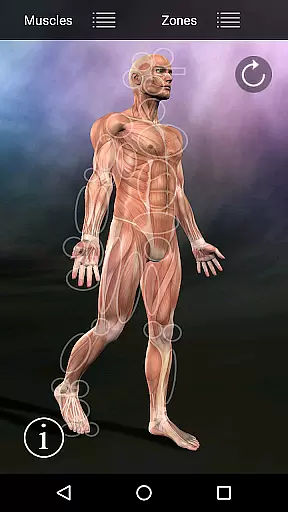
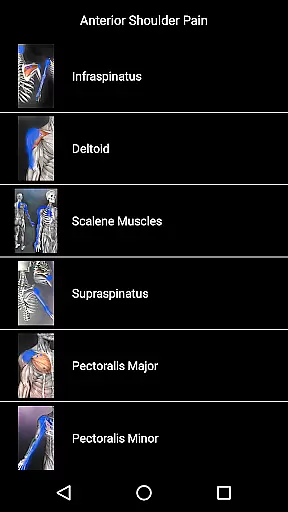
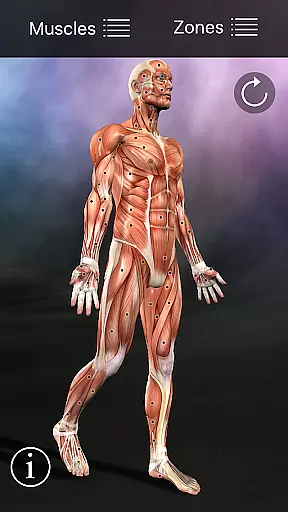
With features such as visual referral patterns, point locations, muscle actions, origins, insertions, and nerve information, users can explore each muscle individually or through a zones view to understand pain sources. Additionally, the app includes 25 instructional videos demonstrating techniques to release specific muscles, making it an invaluable tool for massage therapists, physical therapists, chiropractors, and other healthcare practitioners.
The Muscle Trigger Point Anatomy app offers a rich set of features tailored for in-depth muscular analysis. It contains scientifically proven data on trigger points and referral patterns, ensuring accuracy and reliability for professional use.
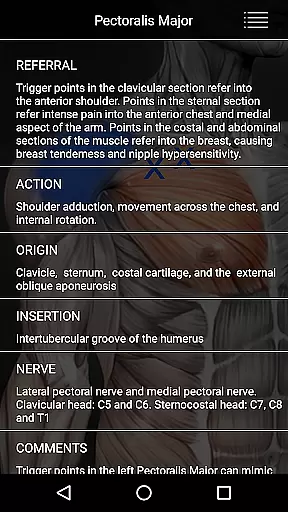
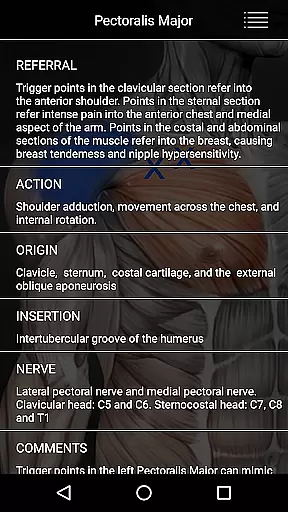
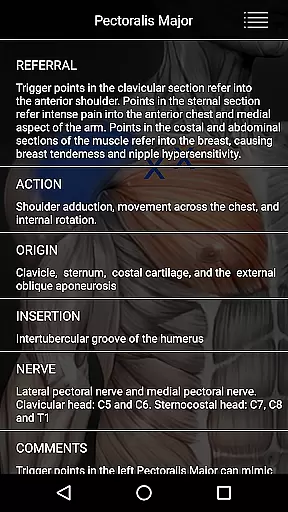
Users can access detailed muscle information, including written descriptions of muscle actions, referrals, origins, insertions, and nerve pathways. Each entry also includes audio pronunciations, enhancing the learning experience. The inclusion of 25 videos further supports practical application by demonstrating effective muscle release techniques.
When it comes to medical applications, the accuracy and reliability of the information provided is paramount. Muscle Trigger Point Anatomy offers content that is grounded in scientific research, presenting 160 trigger points with their corresponding referral patterns. This ensures that users are accessing data that has been rigorously studied and validated.
The app goes beyond mere listings by including detailed descriptions for each muscle, complete with visual referral patterns, point locations, and additional written information such as muscle action, origin, insertion, and nerve details. With contributions from experts in fields such as massage therapy, physical therapy, and chiropractic care, the app provides a trustworthy reference for both professionals and individuals seeking to understand muscular pain.
Furthermore, the inclusion of audio pronunciations and 25 instructional videos enhances the educational value, offering users multimedia tools to better grasp complex concepts. These features not only enrich the learning experience but also reinforce the credibility of the medical content through diverse and accessible formats.
While Muscle Trigger Point Anatomy does not provide teleconsultation services per se, its comprehensive resources empower users to gain insights into muscular pain and function effectively. The app's detailed depiction of conditions caused by trigger points can serve as an essential tool during virtual consultations, allowing for informed discussions between healthcare providers and patients.
Professionals utilizing this app will find its extensive compilation of muscles, trigger points, and referral patterns invaluable when advising clients remotely. The ability to visually demonstrate how certain muscles may be contributing to a clientu2019s discomfort can greatly enhance the quality of remote consultations, leading to more accurate diagnoses and treatment plans.
Additionally, the curated selection of videos showing how to release specific muscles adds practical value, enabling practitioners to guide their clients through therapeutic exercises even when they're not physically present. By bridging the gap between theoretical knowledge and practical application, Muscle Trigger Point Anatomy supports high-quality telehealth interactions despite its non-traditional approach to teleconsultation.
Comprehensive trigger point data
User-friendly interface
Includes instructional videos
Audio pronunciation feature
Scientifically validated content
Limited to muscular issues
No interactive exercises
Premium-priced app
Occasional updates needed
Advanced medical knowledge required

Check and Track your Blood Pressure & Heart Rate.
 4.50
4.50
myVCA is your tailor-made guide to raising a healthy and happy pet.
4.90
Sync your blood glucose device, log values automatically and tame your diabetes!
4.60
Perform pure-tone audiometry and a speech intelligibility test on your phone.
4.50
Pelvic Floor Muscle Exercises
4.80
The official DSM-5-TR® app
4.50
Search by insurance, see real-time openings & verified reviews, get care fast.
4.80
ASCCP Management Guidelines- There’s an app for that!
4.60
Donating plasma just got easier with the BioLife Plasma Services mobile app.
3.90
The NightOwl Companion app allows you to interact with the NightOwl sensor.
4.70
The MDLIVE app makes connecting with a doctor fast, easy, and convenient.
4.60
Identify pills, search different drugs, get drug information and much more!
4.50
Modivcare members can book and manage trips.
4.50
The OptumRx app empowers you to become an advocate of your pharmacy benefits.
4.40
Manage your health care in one easy place
4.40
Over 1,200 review questions and 5 exams—pass the NREMT with EMT Review Plus!
4.10
HealtheLife lets you easily manage your health online.
3.20
MHealth is the mobile version of MEDITECH’s Patient and Consumer Health Portal.
3.10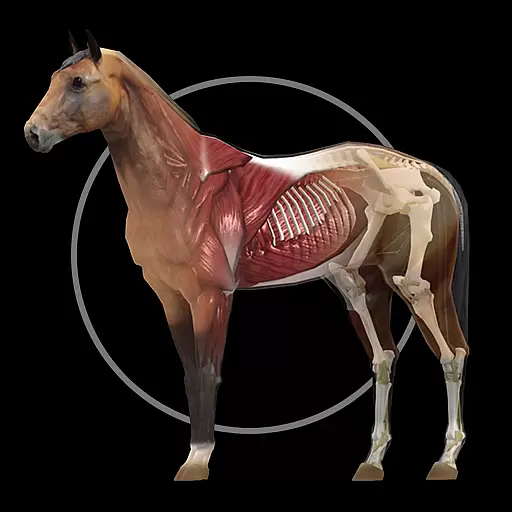
A fantastic 3d reference that includes over 300 structures and a quiz function.
3.00


User Reviews