
DiDi Rider entered the North American market as a serious challenger to Uber and Lyft, promising lower fares and better driver compensation. As China's largest ride-hailing platform with over 550 million users globally, DiDi brings proven technology and massive scale. But does that translate to a better experience for riders in the U.S., Canada, and Latin America? After examining pricing structures, service quality, and user experiences, here's what you actually need to know.
This review cuts through the marketing to explain how DiDi compares to established competitors, where it excels, and whether you should add it to your transportation app arsenal.
DiDi's primary selling point is simple: rides that cost 10-30% less than Uber for the same route. By taking lower commission from drivers (around 20% vs Uber's 25-30%), DiDi can offer competitive fares while theoretically treating drivers better.
In practice, the savings vary significantly by market and time. During off-peak hours in cities where DiDi is established (Los Angeles, Miami, Houston), I've seen consistent 15-20% savings. During surge periods, however, DiDi's "dynamic pricing" can match or exceed Uber's surge multipliers.
Pro Tip: Install both DiDi and Uber to price-compare before every ride. DiDi often offers promotional credits and first-ride discounts that can save an additional 20-40% on initial trips.
Here's DiDi's biggest weakness: extremely limited geographic coverage compared to Uber. While Uber operates in nearly every major city globally, DiDi Rider's North American presence remains concentrated in specific markets:
Mexico: Extensive coverage across major cities; often cheaper than local alternatives
Latin America: Strong presence in Brazil, Chile, Colombia
Select U.S. cities: Los Angeles, Miami, Houston, Phoenix
Australia: Available in major metropolitan areas
If you live outside these areas, DiDi simply won't work for you—the app will show "service not available in your area." This means DiDi works best as a supplementary option rather than your primary ride-hailing app.
One unexpected benefit of DiDi's lower commission structure: drivers report higher satisfaction, which translates to better rider experiences. Since drivers keep more of each fare, they're less pressured to maximize ride volume and more likely to provide quality service.
User reports indicate DiDi drivers are generally professional, vehicles are well-maintained, and the overall experience matches or exceeds Uber quality. The driver pool is smaller (since the platform is newer in most markets), but quality appears higher on average.
Key Point: DiDi's two-way rating system works similarly to Uber, but the platform appears more willing to deactivate drivers with consistent low ratings. This creates accountability that benefits riders.
DiDi has implemented comprehensive safety features, though they're playing catch-up to Uber's more mature systems:
Trip sharing: Share real-time location with emergency contacts
In-app emergency button: Direct connection to local emergency services
Driver verification: Background checks and identity verification required
24/7 safety support: In-app customer service during rides
Ride recording: Audio recording during trips (in select markets)
DiDi's safety record in international markets is solid, but the company faced scrutiny in China following high-profile safety incidents. In response, they've implemented stricter verification and monitoring, making current safety protocols more robust than earlier versions.
⚠️ Important: Always verify the license plate, driver photo, and vehicle match the app before entering. This applies to all ride-hailing services, not just DiDi. Never get into a car that doesn't match your app exactly.
DiDi Rider's app interface is straightforward and user-friendly, though it lacks some of Uber's more advanced features:
What Works Well:
Simple, intuitive booking process
Clear upfront pricing with no hidden surprises
Multiple payment options (credit, debit, digital wallets)
Real-time driver tracking with accurate ETAs
Ride history and receipt management
What's Missing:
No scheduled rides option (book for future times)
Limited vehicle options (no premium/luxury tiers in most markets)
Fewer integration options with third-party apps
Less developed loyalty/rewards program
One area where DiDi genuinely shines: pricing transparency and simplicity. The app shows the exact fare before you confirm, with no booking fees or hidden charges beyond the stated price (plus tip if you choose).
Compared to Uber's multiple add-ons (booking fees, service fees, airport surcharges), DiDi's straightforward pricing feels refreshingly honest. What you see is what you pay.
DiDi's customer support is functional but not exceptional. In-app chat support responds within 5-15 minutes typically, and phone support is available in select markets. However, resolution quality varies, and language barriers can complicate support interactions in some regions.
Refund processes for overcharges or problematic rides work similarly to Uber—submit a claim through the app, provide details, and receive a response within 24-48 hours. Most legitimate issues result in fare adjustments or credits.
Price: DiDi usually wins (10-30% cheaper), but only in markets where it operates
Availability: Uber dominates with near-universal coverage; DiDi remains limited to specific cities
Driver Quality: DiDi edges ahead due to better driver compensation and stricter quality control
Features: Uber offers more options (scheduled rides, vehicle variety); DiDi is simpler but functional
Safety: Roughly equivalent, with both platforms offering comprehensive safety features
DiDi Rider delivers on its core promise: reliable, affordable rides in markets where it operates. The lower prices, transparent pricing structure, and generally positive driver experiences make it a compelling alternative to Uber and Lyft.
However, limited geographic availability means DiDi can't be your sole ride-hailing solution unless you live in one of its supported cities. The app works best as a cost-saving complement to Uber or Lyft—use DiDi when available for savings, fall back to alternatives when traveling or outside service areas.
Download DiDi Rider if: You live in a supported market and want to save 15-25% on routine rides. The initial promotional credits alone make it worth trying.
Skip it if: Your city isn't in DiDi's service area, or you need advanced features like scheduled rides and multiple vehicle tiers that DiDi doesn't offer.
Bottom line: DiDi Rider is the budget-conscious traveler's smart play for markets where it's available. Keep it installed alongside Uber to price-compare, and enjoy the savings when DiDi wins.

Get there with the Waymo Driver — The World’s Most Experienced Driver™
 4.90
4.90
Offline maps & GPS for hiking, travel, fieldwork & outdoor adventures
4.70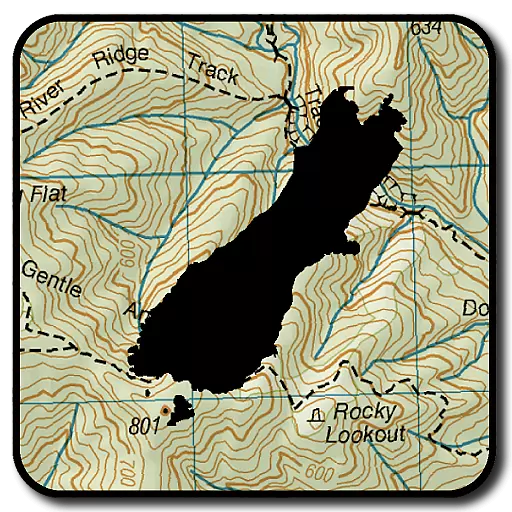
Complete offline 1:50k South Island topo map including DOC Hunting Permit Areas
4.60
Explore with GPS Navigation with GPS offline, voice GPS, speed camera radar
4.60
Explore a light pollution map to find suitable dark sky locations for observing.
4.30
Easy, Moderate and difficult offroad adventures.
4.00
Navigation, weather, offline maps & tools for smarter, safer travel planning.
4.00
Explore Live Earth Map with 3D World Map & locate cites, mountains real time.
3.80
Start your next adventure confidently using our Accurate Compass App
3.70
Find 93 Octane Gas: Locate Gasoline Stations Selling Premium 93 Octane or Higher
4.5
Honest Uber review—pricing surge charges, driver quality, safety features, hidden fees, and how it compares to Lyft and local taxis.

Complete Lyft review—pricing comparison, driver quality, safety features, rewards program, and how it stacks up against Uber and competitors.
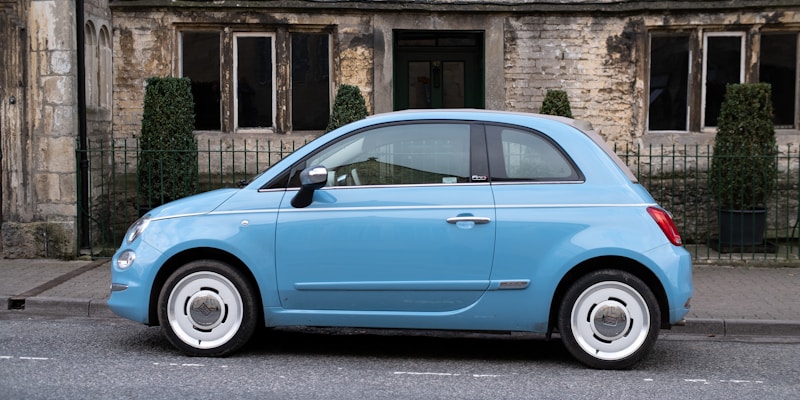
Complete Waymo autonomous vehicle review—how it works, safety record, pricing vs Uber, service areas, and the real experience of riding without a driver.