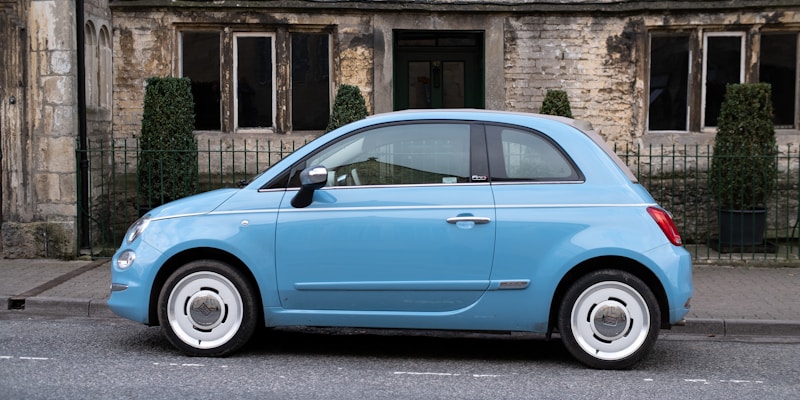
Waymo represents the most significant leap in transportation technology since ride-hailing itself: fully autonomous vehicles with no human driver. According to the Google Play Store, with a 4.9-star rating and over 1 million downloads, Waymo has moved from experimental technology to commercial reality. But what's it actually like to ride in a car with no driver? After examining user experiences, safety data, and practical limitations, here's the unfiltered reality.
This review explains how Waymo works, where it's available, what it costs, and whether autonomous rides deliver on the promise of safer, more convenient transportation.
Waymo operates fully autonomous electric vehicles (currently Jaguar I-PACE models) equipped with sophisticated sensor systems: cameras, radar, and lidar creating a constant 360° view of surroundings. There is no human driver, safety operator, or steering wheel in the driver's seat—just an empty front cabin.
The booking process mirrors traditional ride-hailing: open the app, enter your destination, request a ride. The autonomous vehicle arrives at your location, you unlock the doors via Bluetooth through the app, hop in the back seat, confirm your trip on the in-car screen, and the vehicle drives itself to your destination.
During the ride, the in-car screen displays what the "Waymo Driver" (their term for the AI system) sees—highlighting pedestrians, other vehicles, traffic signals, and obstacles in real-time. You can contact Rider Support anytime through the screen or app if issues arise.
First-Ride Tip: Sit in the back seat behind the empty driver's seat during your first trip—watching the steering wheel turn itself is the most viscerally futuristic part of the experience. The novelty factor alone is worth trying once.
Waymo's biggest limitation is extraordinarily limited geographic coverage. As of February 2026, the service operates in only a few U.S. locations:
Phoenix, Arizona: Most mature market with widest coverage area
San Francisco Bay Area: Expanding coverage including South SF, San Bruno, Millbrae, Burlingame
Los Angeles: Recently expanded to Inglewood, Silverlake, Echo Park
Austin, Texas: Limited pilot program
Even within these cities, service areas are geofenced to specific neighborhoods. If you live outside these zones, Waymo simply won't work for you—making it a novelty rather than a practical transportation solution for 99% of Americans.
Here's the harsh truth: Waymo costs 2-3x more than Uber or Lyft for equivalent routes. User reviews consistently cite pricing as the major deterrent to regular use.
"The fares have went into the fantasy realm. 2-3x Uber/Lyft rates to go across SF... I see no point in this service if it isn't cheaper than paying an actual person." — Verified user review, January 2026
Waymo justifies premium pricing by citing the "consistent and reliable fully autonomous ride experience," but paying double for the novelty of no driver wears thin quickly. The economic case simply doesn't work for routine transportation needs.
⚠️ Pricing Reality Check: Unless Waymo dramatically reduces fares, autonomous rides will remain a premium "experience" service rather than practical everyday transportation. The technology is impressive, but the economics don't work for regular commuters.
Waymo markets itself as "The World's Most Experienced Driver™" with millions of autonomous miles and a safety record that appears superior to human drivers in most metrics. Independent studies suggest autonomous vehicles cause fewer accidents per mile than human-driven vehicles.
However, the technology isn't flawless. User reviews document instances of vehicles malfunctioning, pulling over unexpectedly, or behaving erratically:
"A little while into the drive the car started to malfunction and kept pulling over. We called ride support and got put on the phone with two people at the same time... Overall I would say do this more for the cool experience, but know that it is technology and sometimes it won't work." — Verified user review, August 2025
When malfunctions occur, remote support staff can assist, but the inability to manually take control creates vulnerability during critical situations that wouldn't exist with human drivers.
One major design flaw: you cannot access the vehicle without the app. If your phone dies, you're stranded even though you've paid for the ride:
"You cant unlock the door without the app... You're gonna have all this technology, but you cant have any secondary measures like checking my ID, making me verify my name and destination? The trip was paid for dammit. Then they have the gall to charge me a fee after it drove off leaving me stranded." — Verified user review, January 2026
This is inexcusable design that prioritizes security theater over practical usability.
Waymo vehicles often pick unconventional pickup locations—sometimes a block away from your actual position. While this optimizes routing for the autonomous system, it creates friction when you're carrying luggage or have mobility limitations.
As the fleet ages, users report declining vehicle condition: "The vehicles are also starting to show their Jaguar-ness and are getting rickety." Without drivers to report maintenance issues immediately, cleanliness and mechanical problems accumulate between service intervals.
Key Point: Waymo works best for short, planned trips in good weather within service areas. It's unsuitable for urgent transportation needs, trips with tight time constraints, or situations where technology failures would be seriously problematic.
Despite limitations, Waymo excels in specific areas:
Privacy: No driver means no uncomfortable conversations or surveillance concerns
Cleanliness control: You control temperature, music, and environment completely
Predictable driving: Smooth, cautious driving style (sometimes overly cautious)
Trunk access: Automatic trunk opening when exiting to prevent forgotten items
Eco-friendly: All-electric fleet with environmental benefits
The novelty factor: Genuinely impressive technology that feels futuristic
The Waymo app and in-car experience include thoughtful touches:
Ride scheduling: Book rides up to 1 hour in advance
Multi-stop trips: Add up to 4 destinations per ride
Pull-over button: Stop anytime via app or in-car screen
Climate and music control: Fully customizable environment
Bluetooth door unlock: Automatic unlocking as you approach (when it works)
Trip sharing: Share live location with contacts
Waymo represents a genuine technological achievement—fully autonomous vehicles operating safely in complex urban environments. The experience of riding in a car with no driver is undeniably cool and feels like science fiction made real. The 4.9-star rating reflects the novelty and generally positive experiences when the technology works correctly.
However, as practical everyday transportation, Waymo fails on multiple fronts: prices that are 2-3x higher than alternatives, extremely limited service areas, occasional technical malfunctions, and design flaws like requiring a functioning phone to access rides you've already paid for.
Try Waymo once or twice for the experience if you're in a service area—it's genuinely fascinating to witness autonomous driving firsthand. But don't expect it to replace Uber or Lyft for routine transportation. The economics don't work, the availability is too limited, and the technology, while impressive, isn't reliable enough to depend on exclusively.
Waymo is the future of transportation—just not the present. Until pricing becomes competitive and service areas expand dramatically, it remains an expensive novelty rather than a practical solution. Keep it installed as a backup option or for when you want to impress out-of-town visitors, but maintain Uber and Lyft for rides you actually need to work reliably.

Find AI powered cameras, ALPRs, and other surveillance infrastructure near you
 4.70
4.70
Find trails, organize your locations and navigate with offline maps.
4.60
Navigate with your watch and keep the phone in your pocket!
4.60
Complete offline 1:50k South Island topo map including DOC Hunting Permit Areas
4.60
Get matched with a nearby driver — you’ll be on your way in minutes.
4.30
Number locator, real connection map
4.10
Get real-time bus and train schedules for easy, hassle-free city transportation.
3.90
NJ TRANSIT information and ticketing at your fingertips
3.70
Explore offline maps with radar, satellite view, and real-time alerts.
3.60
Fully offline 1:50k New Zealand topographical map North Island
4.2
Honest Uber review—pricing surge charges, driver quality, safety features, hidden fees, and how it compares to Lyft and local taxis.

Complete DiDi Rider review—pricing comparison vs Uber, safety features, service areas, driver quality, and whether it saves you money.

Complete Lyft review—pricing comparison, driver quality, safety features, rewards program, and how it stacks up against Uber and competitors.