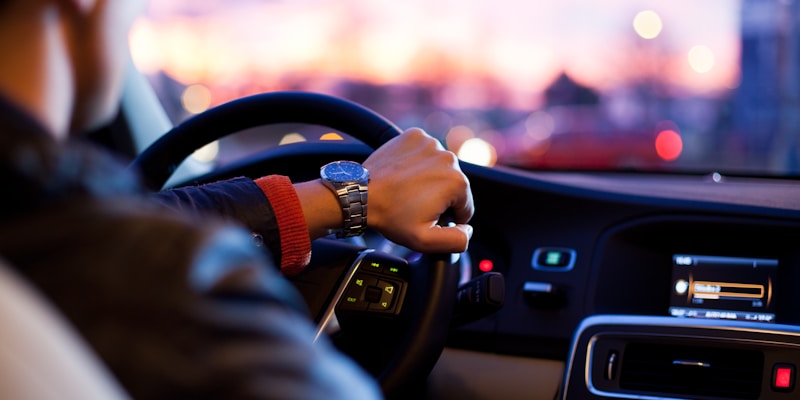
Uber revolutionized urban transportation when it launched in 2009, and with billions of rides completed, it remains the dominant rideshare platform globally. But in 2026, with increased competition from Lyft, local taxi apps, and mounting concerns about surge pricing and driver treatment, is Uber still the best choice for getting around? After analyzing user experiences, pricing structures, and safety features, here's what you actually need to know.
This review cuts through the marketing to explain what works, what's gotten worse, and whether you should choose Uber over alternatives for your transportation needs.
Uber's pricing model sounds simple: base fare plus per-minute and per-mile charges. The reality is significantly more complicated and often frustratingly expensive.
During peak hours, bad weather, or high-demand events, Uber implements "surge pricing"—multiplying your fare by 1.5x, 2x, or even 5x the normal rate. A ride that costs $12 normally can balloon to $60 during a concert letout or rainstorm.
While Uber argues this incentivizes more drivers during busy times, riders experience it as price gouging during moments of greatest need. The unpredictability makes budgeting impossible—you never truly know what a ride will cost until you need it.
⚠️ Heads Up: Always check the fare estimate before confirming your ride. Uber shows the total cost upfront, but many users tap through quickly during rush moments and experience sticker shock when charged. Take the 10 seconds to review pricing.
Booking fees: $2-3 added to every ride regardless of distance
Airport fees: Additional charges at most major airports ($3-5)
Tolls: Passed through to riders, sometimes with unclear markup
Wait time charges: If you're not ready when the driver arrives
Cancellation fees: $5-10 if you cancel after 2 minutes
One of Uber's biggest challenges is the massive variability in driver quality, vehicle condition, and professionalism. Your experience can range from exceptional to concerning depending entirely on which driver accepts your ride.

Common issues reported by riders include:
Drivers who don't know the area and refuse GPS directions
Vehicles that don't match the description or are poorly maintained
Drivers who pressure for cash tips or higher ratings
Routes that seem deliberately longer to increase fares
Uncomfortable personal conversations or boundary violations
To be fair, many Uber drivers are professional, courteous, and provide excellent service. But the lack of consistent quality control means you're essentially rolling dice with each ride.
Key Point: Check your driver's rating before getting in the car. Drivers below 4.7 stars often have quality issues. You can cancel within 2 minutes without penalty if you're uncomfortable with the driver assigned.
Uber has implemented numerous safety features after years of incidents and criticism. Some work well; others feel like performative gestures:
Real-time trip sharing: Share your route with friends/family who can track you live
In-app emergency button: Direct connection to 911 with location data
RideCheck technology: Detects if trips go off-route or make unexpected stops
Driver identity verification: Requires face scans before shifts
Two-way ratings: Both riders and drivers rate each other
Despite these tools, Uber's safety record remains concerning. The company's own safety reports document thousands of sexual assaults annually. Background checks don't catch everything, and driver accountability varies dramatically by region.
Pro Tip: Always verify the license plate, driver photo, and car model match the app before getting in. Scammers sometimes pose as Uber drivers to target riders who aren't paying attention.
Uber Pass costs approximately $24.99/month and promises savings on rides and Uber Eats orders. Here's the honest breakdown:
The reality: Uber Pass is only worthwhile if you use Uber Eats frequently. The ride discounts rarely offset the $25/month cost. You'd need to take 10+ rides monthly and order food delivery several times weekly to break even.
vs. Lyft: Nearly identical service with slight pricing differences depending on your market. Lyft drivers often report better treatment, which can translate to better rider experiences. Worth having both apps to price compare.
vs. Local Taxis: Taxis offer fixed rates (no surge), better driver vetting, and accountability through regulated medallion systems. However, less convenient for payment/hailing, and often 20-30% more expensive during non-surge times.
vs. Public Transit: Dramatically cheaper ($2-3 vs $15-30) but slower and less convenient. Uber makes sense for time-sensitive trips or when transit isn't available.
vs. Car Ownership: Uber is cost-effective for occasional riders (0-3 rides weekly). Daily commuters spending $30+/day on Uber could buy/lease a car for less.
Compare with Lyft before every ride: Prices fluctuate constantly; one app is often 30% cheaper than the other
Schedule rides during surge: Scheduled rides lock in current pricing, avoiding surge increases later
Walk a block to avoid pickup fees: Airports and event venues add surcharges; walking away saves $3-5
Use UberX not fancier tiers: UberXL, Comfort, and Black cost significantly more with minimal benefit for most trips
Always tip in-app: Cash tips aren't tracked; in-app tipping protects your rider rating
Uber remains the most reliable, widely available rideshare option globally. The app works seamlessly, availability is generally excellent, and the convenience factor is undeniable. For occasional rides, airport trips, or situations where you need transportation immediately, Uber delivers.
However, the platform has gotten noticeably more expensive over the past few years. Surge pricing has become more aggressive and frequent. Driver quality inconsistency remains problematic. Safety concerns, while addressed with new features, haven't been fully resolved.
My recommendation: Keep Uber installed, but don't rely on it exclusively. Maintain Lyft as a backup for price comparison. Consider public transit, bike shares, or walking for non-urgent trips. And for regular commuters, seriously evaluate whether car ownership or monthly transit passes make more financial sense than daily Uber usage.
Uber revolutionized transportation, but in 2026, it feels more like a necessary convenience than an innovative disruption. Use it smartly, stay aware of costs, and don't hesitate to explore alternatives that might better serve your specific transportation needs.

Track friends in real-time and explore worldwide live cameras.
 4.60
4.60
Affordable rides and food delivery with incredible discounts in just one app.
4.50
Find radar maps, GPS coordinates, altitude, offline maps, location, travel route
4.40
Find radar, speed camera, flight tracker. Use hud, location tracker, speedometer
4.20
GPS phone tracker, family locator, secure location sharing app
4.20
Get route, find shortest path, near by places and weather update
3.90
Explore Live Earth Map with 3D World Map & locate cites, mountains real time.
3.80
Live Satellite view app for find GPS navigation Direction and live location map
3.70
Ride CTA, Metra & Pace: Manage your fares, buy Metra tickets, get arrivals.
3.00
Explore the world with Live Satellite View, 3D Maps, GPS Navigation & Earth Map.
2.90
Complete DiDi Rider review—pricing comparison vs Uber, safety features, service areas, driver quality, and whether it saves you money.

Complete Lyft review—pricing comparison, driver quality, safety features, rewards program, and how it stacks up against Uber and competitors.
Complete Waymo autonomous vehicle review—how it works, safety record, pricing vs Uber, service areas, and the real experience of riding without a driver.